
Debunking Nutrition Myths: What Busy Professionals Need to Know


Understanding Common Nutrition Myths
In today's fast-paced world, busy professionals often fall prey to nutrition myths that can hinder their health goals. With so much conflicting information, it's crucial to distinguish fact from fiction. Let's debunk some of the most common nutrition myths and set the record straight.

Myth 1: Carbs Are the Enemy
Carbohydrates have been unfairly demonized in recent years. While it's true that refined carbs and sugars can lead to weight gain, whole grains, fruits, and vegetables are essential for a balanced diet. These foods provide energy and are rich in fiber, which supports digestion and helps keep you full longer.
Tip: Focus on complex carbohydrates like brown rice, quinoa, and oats to maintain energy levels throughout the day.
Myth 2: All Calories Are Created Equal
While calorie counting can be a useful tool for weight management, not all calories are created equal. The source of your calories is just as important as the number of calories you consume. Nutrient-dense foods like lean proteins, healthy fats, and whole grains offer more health benefits than empty-calorie foods like sugary snacks and processed items.
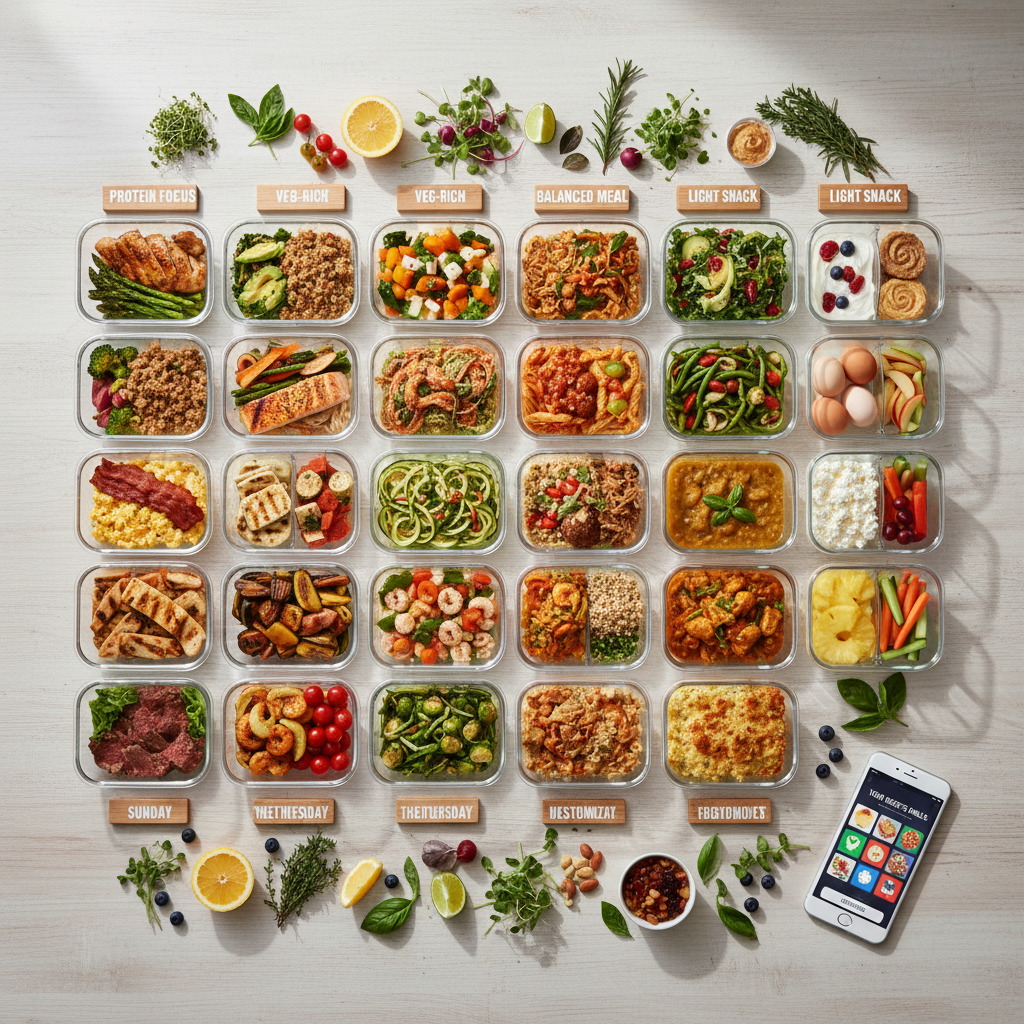
To optimize your nutrition, prioritize foods that provide essential vitamins and minerals, rather than simply focusing on calorie intake.
Myth 3: Supplements Can Replace a Balanced Diet
Supplements can be a helpful addition to your diet, but they should not replace whole foods. A balanced diet provides a wide range of nutrients that supplements alone cannot offer. Whole foods contain fiber, antioxidants, and other compounds that work together to promote health.
Consult a healthcare professional before starting any supplement regimen, especially if you have specific health concerns or dietary restrictions.

Myth 4: Eating Late at Night Causes Weight Gain
Many people believe that eating late at night leads to weight gain, but this is not necessarily true. Weight gain occurs when you consume more calories than you burn, regardless of the time of day. However, late-night eating can lead to poor food choices and overeating, which may contribute to weight gain.
Strategy: Plan your meals and snacks throughout the day to avoid excessive hunger at night.
Making Informed Nutrition Choices
Understanding the truth behind these nutrition myths enables busy professionals to make informed choices that benefit their health. By focusing on balanced, nutrient-rich foods and maintaining a healthy lifestyle, you can achieve your health and wellness goals with confidence.
Remember, nutrition is not about quick fixes or fad diets. It's about creating sustainable habits that support your overall well-being.