
Intermittent Fasting Guidance for Busy Lifestyles: A Comprehensive Guide


Understanding Intermittent Fasting
Intermittent fasting (IF) is more than just a diet; it's an eating pattern that cycles between periods of fasting and eating. It's a powerful tool for weight management and overall health, especially for those with busy lifestyles. By focusing on when you eat rather than what you eat, it offers flexibility and simplicity.
There are several methods of intermittent fasting, but the most popular include the 16/8 method, the 5:2 diet, and the eat-stop-eat approach. Each method has its unique benefits, and choosing the right one depends on your personal schedule and health goals.

The 16/8 Method
The 16/8 method is ideal for busy individuals as it allows you to eat during an 8-hour window and fast for the remaining 16 hours. This method is often referred to as the Leangains protocol. Many people find it convenient to skip breakfast and eat from noon to 8 PM, aligning perfectly with a typical work schedule.
One of the advantages of the 16/8 method is its simplicity. By reducing the number of meals consumed, you can focus on preparing nutritious and satisfying meals without the stress of frequent meal planning.
The 5:2 Diet
The 5:2 diet involves eating normally for five days of the week and restricting calorie intake to about 500-600 calories on the other two days. This method is great for those who prefer a more structured schedule only part of the week, allowing more flexibility on regular days.
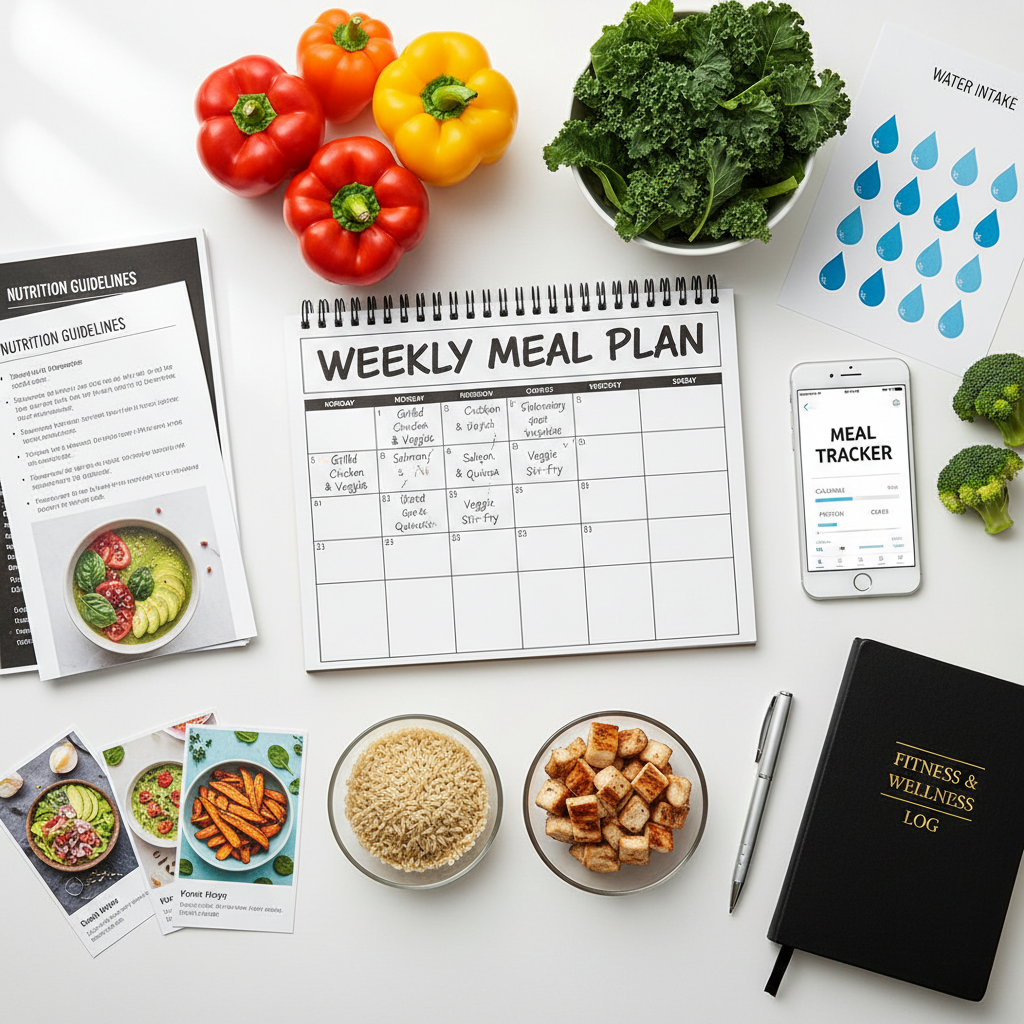
On fasting days, it's essential to focus on nutrient-dense foods that provide energy and satiety. Incorporating foods like lean proteins, vegetables, and legumes can help maintain energy levels without exceeding calorie limits.
Eat-Stop-Eat Approach
The eat-stop-eat approach involves a 24-hour fast once or twice a week. This method may be challenging for some but offers significant benefits in terms of metabolic health and fat loss. It requires more planning but can be seamlessly integrated into a busy lifestyle with practice.
Staying hydrated is crucial during the 24-hour fasting periods. Drinking water, herbal teas, and black coffee can help curb hunger and maintain focus throughout the fasting period.

Tips for Success
Regardless of the method you choose, here are some tips to make intermittent fasting work for your busy life:
- Plan Ahead: Prepare meals and snacks in advance to avoid making poor food choices during eating windows.
- Stay Hydrated: Drink plenty of water and non-caloric beverages to stay hydrated and curb hunger.
- Listen to Your Body: Pay attention to hunger cues and adjust your fasting schedule as needed.
- Be Patient: Give your body time to adjust to the new eating pattern.
Potential Benefits
Intermittent fasting offers numerous benefits, including improved metabolic health, weight loss, and increased mental clarity. For busy individuals, it can simplify meal planning and reduce the time spent on food preparation and consumption.
Additionally, intermittent fasting can lead to increased energy levels and better concentration, making it easier to manage professional and personal responsibilities.
Conclusion
Intermittent fasting is a versatile and effective approach to health and wellness, especially for those with hectic schedules. By choosing a method that fits your lifestyle, planning ahead, and listening to your body, you can successfully integrate IF into your routine and enjoy its many benefits.