Mindful Eating Practices: A Busy Professional’s Guide to Better Health


Understanding Mindful Eating
In today's fast-paced world, it's easy to get caught up in the hustle and bustle, often neglecting our eating habits. This is where mindful eating comes into play. Mindful eating is a practice that encourages individuals to focus on the present moment while consuming meals, promoting a deeper connection with the food we eat and how it nourishes our bodies.
The essence of mindful eating lies in being fully aware of your senses, thoughts, and emotions during meals. This practice can significantly improve your relationship with food, leading to better health and well-being.

The Benefits of Mindful Eating
Mindful eating offers numerous benefits that can enhance both physical and mental health. By paying attention to what and how you eat, you can enjoy:
- Better digestion – Eating slowly and chewing thoroughly helps your digestive system process food more efficiently.
- Weight management – Mindful eating can help prevent overeating by allowing you to recognize hunger and fullness cues.
- Reduced stress – Taking time to enjoy meals can serve as a form of meditation, reducing stress levels.
Practical Tips for Busy Professionals
For busy professionals, incorporating mindful eating into a hectic schedule might seem challenging. However, with a few adjustments, it can become a manageable and rewarding habit.
Start by setting aside dedicated time for meals without distractions. This means turning off electronic devices and focusing solely on the eating experience. Try to savor each bite, noting the flavors and textures of your food.

Recognizing Hunger and Fullness
Understanding your body's hunger and fullness signals is crucial for mindful eating. Before reaching for a snack, take a moment to assess whether you are truly hungry or if you're eating out of habit or emotion.
Consider using a hunger scale from 1 to 10, with 1 being extremely hungry and 10 being uncomfortably full. Aim to eat when you're at a 3 or 4 and stop at a 7 or 8.
Meal Planning and Preparation
Planning meals ahead of time can support mindful eating practices. By preparing meals in advance, you can ensure that you have nutritious options readily available, reducing the temptation to opt for fast food or unhealthy snacks.
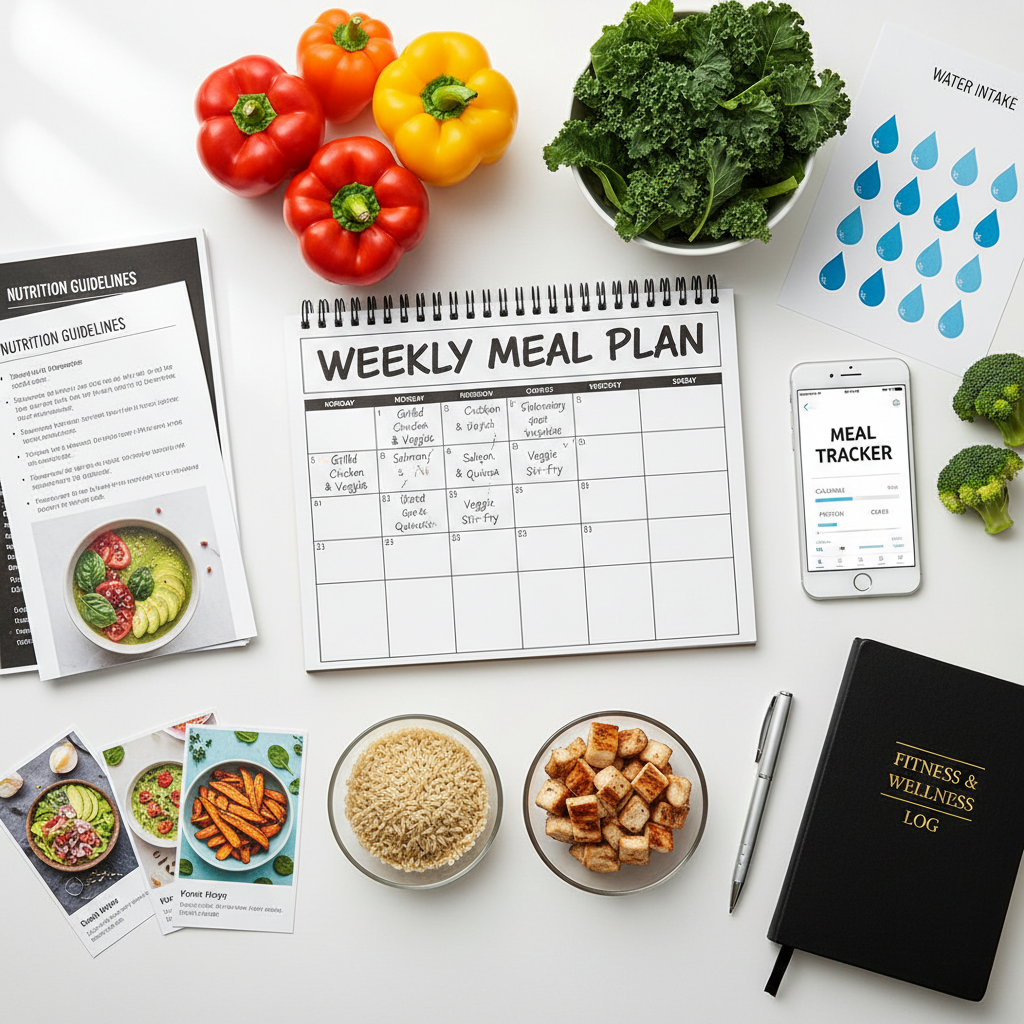
Batch cooking on weekends or preparing ingredients for quick assembly during the week can save time and help maintain mindfulness even on the busiest days.
Mindful Eating as a Lifestyle
Embracing mindful eating as a lifestyle rather than a temporary change can lead to long-lasting benefits. It's about creating a balanced relationship with food that prioritizes health and well-being.
Remember, mindful eating is a journey, not a destination. Progress takes time, and it's essential to be patient and compassionate with yourself as you develop this practice. By integrating mindful eating into your daily routine, you can enjoy a healthier, more fulfilling life.